
 (813) 333-1963
How Often Should You Replace Your Roof in Wesley Chapel, FL?

Written By: GreenTek Roofing & Solar | 7 Min Read

Your roof protects your home from intense Florida sun, seasonal storms, and heavy rainfall, yet many homeowners are unsure when replacement is truly necessary. Knowing how often should you replace your roof in Wesley Chapel, FL helps you avoid surprise leaks, interior damage, and rushed decisions under pressure. While every roof ages differently, understanding realistic timelines and warning signs allows you to plan ahead with confidence. Many homeowners start by getting clarity through a professional evaluation that looks at materials, age, and exposure, which is why it helps to begin with a trusted roof condition assessment before problems escalate.
What This Guide Will Help You Understand
- Typical roof replacement timelines based on material type
- Factors that shorten or extend roof lifespan in Wesley Chapel
- Warning signs that indicate replacement may be needed
- Practical ways to extend the life of your roof
Why Roof Replacement Timing Matters for Homeowners
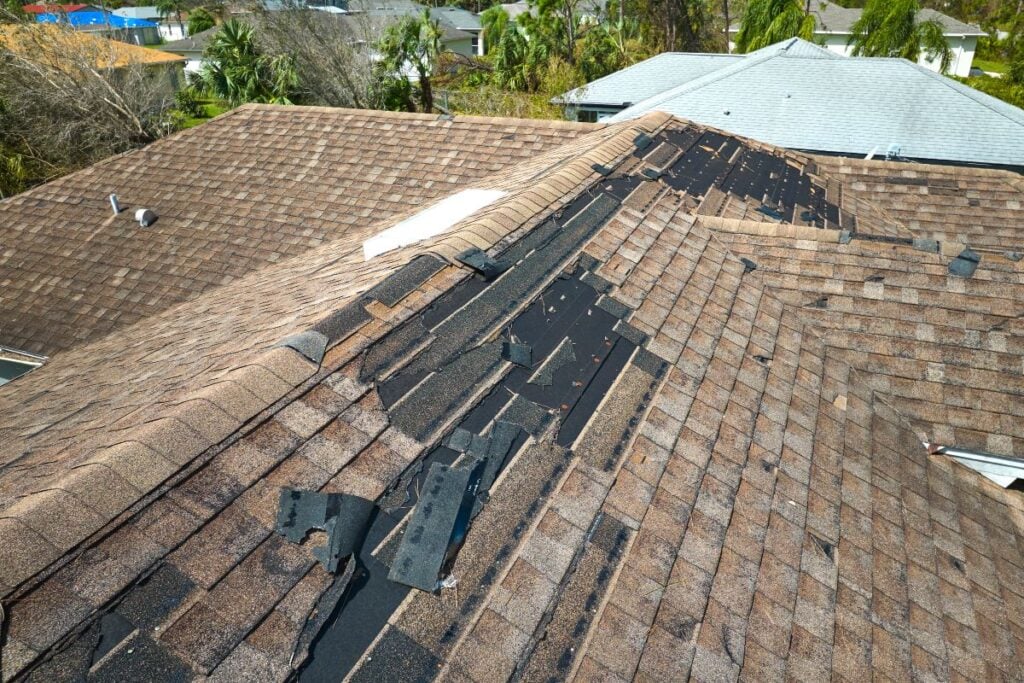
Replacing a roof is one of the largest home investments most homeowners will make, which is why timing matters so much. Waiting too long can expose your home to water intrusion, structural damage, and costly interior repairs. Replacing too early can mean leaving years of useful life on the table. Finding the right balance protects both your home and your budget.
Here are some of the key reasons understanding roof replacement timing is so important:
- Prevents interior damage
An aging roof is more likely to allow moisture into the attic, ceilings, and walls, which can lead to rot, mold, and insulation damage. - Protects long-term home value
A roof in poor condition can reduce resale value and complicate inspections during the selling process. - Supports insurance decisions
Roof age and condition often play a role in coverage, claims, and renewal eligibility. - Avoids emergency replacement costs
Planned replacements are almost always less stressful and more cost-effective than emergency work after a failure.
Roofing issues are far more common than many homeowners realize. According to This Old House, nearly 31 percent of homeowners complete roof renovation, repair, or maintenance projects within a three-year period, showing how frequently roofs reach a point where action is required.
5 Typical Roof Replacement Timelines by Material
Roof replacement frequency depends heavily on the type of material installed. Below are realistic expectations for common roofing systems found in Wesley Chapel homes.
1. Asphalt Shingle Roofs
Asphalt shingles remain the most common roofing material due to affordability and ease of installation. In Florida’s climate, their lifespan is often shorter than national averages.
Most asphalt shingle roofs last:
- 20 to 25 years for traditional three-tab shingles
- 25 to 30 years for architectural shingles
Sun exposure, humidity, and storm activity can shorten these timelines, especially if maintenance is neglected. Granule loss, heat degradation, and wind damage are common causes of early replacement.
2. Metal Roofing Systems
Metal roofs are known for durability and long-term performance, making them a popular option for homeowners planning to stay in their home for decades.
Typical lifespan ranges include:
- 40 to 70 years depending on metal type and coating
Metal roofs resist wind uplift, shed water efficiently, and handle UV exposure better than many other materials. Proper installation and ventilation play a major role in achieving full lifespan potential.
3. Tile and Slate Roofing
Tile and slate roofs are premium options designed for longevity. These materials are heavier and require proper structural support, but they often outlast multiple generations of homeowners.
Expected lifespans include:
- 50 to 100 years for clay or concrete tile
- 75 to 150 years for natural slate
While the materials themselves last a long time, underlayment and flashing may need replacement sooner, which is why periodic inspections are still important.
4. Flat and Low-Slope Roofing Systems
Some homes use flat or low-slope roofing systems such as TPO or modified bitumen.
Typical replacement timelines include:
- 20 to 30 years depending on maintenance and drainage
Flat roofs are more vulnerable to standing water and heat buildup, which makes proactive care essential.
5. Why Climate Impacts These Timelines
Wesley Chapel’s climate plays a significant role in how long a roof lasts. Constant sun exposure accelerates material breakdown, while frequent storms increase the risk of wind and water damage. Roofs with poor ventilation or drainage often fail earlier than expected.
Key Factors That Affect How Often You Need a New Roof
Material lifespan is only part of the equation. Several additional factors influence whether your roof reaches its full expected life or needs replacement sooner.
Installation Quality
A roof installed correctly can last years longer than one installed with shortcuts. Proper fastening, flashing placement, underlayment selection, and ventilation all contribute to long-term performance.
Ventilation and Attic Conditions
Poor ventilation traps heat and moisture in the attic, accelerating shingle aging and increasing the risk of deck rot. Balanced airflow helps regulate temperature and protect roofing materials.
Storm Exposure and Weather Events
High winds, heavy rain, and hail can cause cumulative damage over time. Even if storms do not cause immediate leaks, repeated exposure weakens materials and shortens lifespan.
Maintenance and Inspections
Regular inspections identify small issues early, such as loose flashing or damaged shingles, before they escalate into major problems requiring full replacement.
Signs Your Roof May Be Near Replacement Time
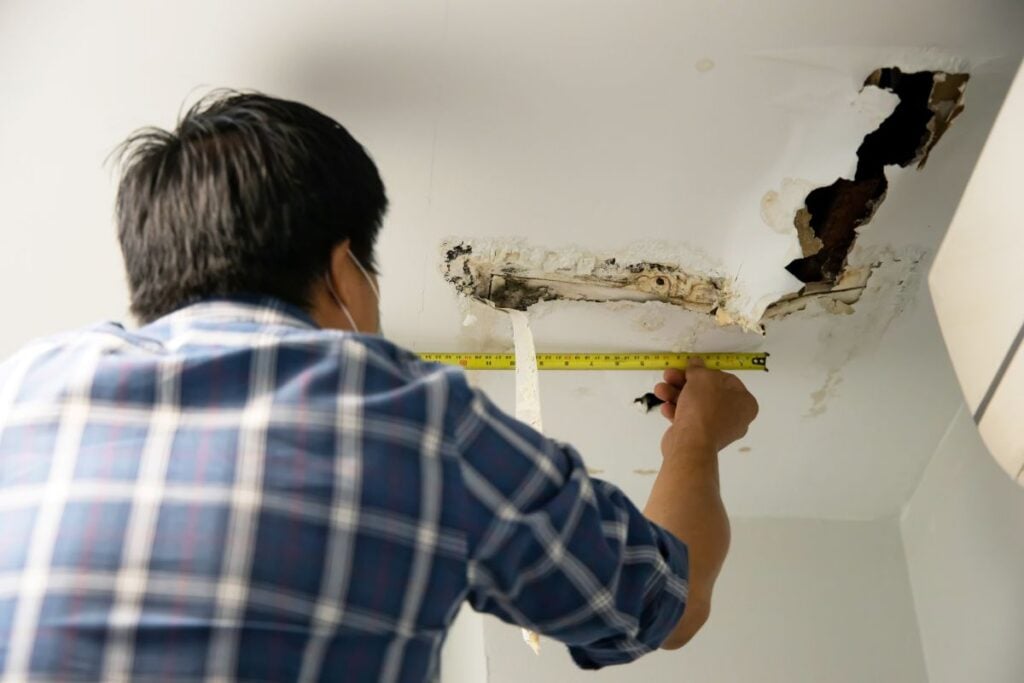
Age alone does not always determine when replacement is necessary. Certain warning signs indicate that your roof may be nearing the end of its usable life.
Widespread Shingle Deterioration
Curling, cracking, blistering, or missing shingles across large sections of the roof suggest material failure rather than isolated damage.
Excessive Granule Loss
If you notice large amounts of granules collecting in gutters or around downspouts, it often means asphalt shingles are losing their protective layer and aging rapidly.
Persistent Leaks or Water Stains
Occasional minor leaks can sometimes be repaired, but repeated leaks in multiple areas usually signal a system-wide failure.
Sagging or Soft Roof Areas
A sagging roofline or soft spots underfoot indicate structural concerns, often related to moisture damage beneath the surface.
Visible Daylight in the Attic
Seeing light through roof boards from inside the attic means gaps have formed, allowing water and air infiltration that typically requires replacement.
How to Extend the Life of Your Roof
While replacement is inevitable, proactive care can significantly delay the need for a new roof and maximize your investment.
Schedule Regular Professional Inspections
Annual inspections and post-storm evaluations help identify emerging issues before they worsen. Professional assessments often uncover problems homeowners cannot see from the ground.
Keep Gutters and Drainage Clear
Clogged gutters cause water to back up onto roofing materials, increasing the risk of leaks and rot. Regular cleaning protects both the roof and fascia.
Trim Overhanging Trees
Branches rubbing against shingles or dropping debris onto the roof increase wear and raise the risk of impact damage during storms.
Maintain Proper Attic Ventilation
Ventilation reduces heat buildup and moisture accumulation, both of which accelerate roofing deterioration in Florida’s climate.
Comparing Roof Replacement Frequency by Material
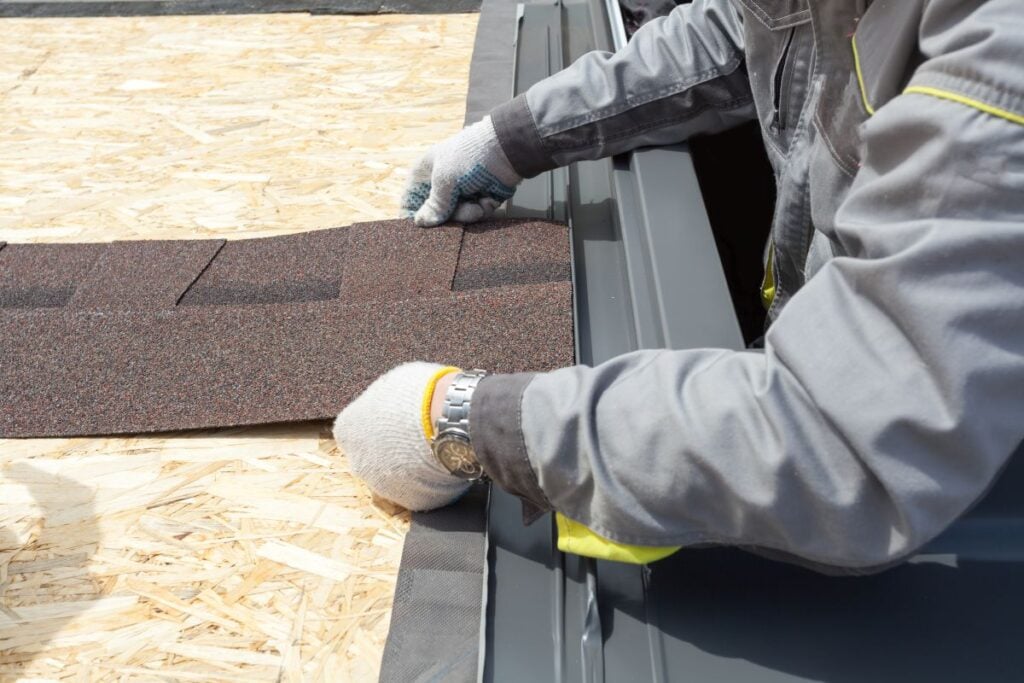
| Roofing Material | Average Replacement Timeline | Key Considerations |
| Asphalt Shingles | 20 to 30 years | Affordable but shorter lifespan |
| Metal Roofing | 40 to 70 years | Durable and storm resistant |
| Tile Roofing | 50 to 100 years | Long lifespan with higher upfront cost |
| Slate Roofing | 75 to 150 years | Premium option with structural requirements |
| Flat Roof Systems | 20 to 30 years | Sensitive to drainage and heat |
This comparison helps homeowners plan realistically based on current roofing material and long-term goals.
Planning Ahead for Roof Replacement
Planning ahead reduces stress and gives you more control over timing, materials, and budget.
Helpful planning steps include:
- Tracking the installation date of your current roof
- Budgeting gradually rather than reacting to emergencies
- Scheduling replacement during milder seasons when possible
- Evaluating material upgrades for longer lifespan and efficiency
Being proactive allows you to replace your roof on your terms rather than during a crisis.
Take the Next Step With Confidence
Understanding how often should you replace your roof in Wesley Chapel, FL gives you the knowledge to protect your home, budget wisely, and avoid unnecessary risk. Roof replacement timing depends on material type, climate exposure, installation quality, and ongoing maintenance. The earlier you understand where your roof stands, the easier it is to plan for what comes next.
If you are unsure about your roof’s age, condition, or remaining lifespan, or if you want professional guidance on next steps, contact us today at Greentek Roofing & Solar. Our team is ready to help you make informed decisions and protect your home for years to come.

Step Into
The Future of Roofing
