
 (813) 333-1963
Wesley Chapel Roof Damage: 5 Common Issues After Summer Storms

Written By: GreenTek Roofing & Solar | 8 Min Read

Summer in Wesley Chapel brings sunshine, outdoor living, and unfortunately powerful summer storms that can take a toll on your home’s exterior. One of the most critical areas affected is the roof, which bears the brunt of wind, rain, hail, and debris. If you’re navigating what comes next after a severe storm, understanding how weather events impact your roofing system can save hundreds to thousands of dollars in future repairs.
Whether you’re noticing loose shingles, water stains, or just want peace of mind, getting clearer insight into your roof’s condition matters. From professional inspection to long‑term roof care, this homeowner’s guide will help you protect one of your most important investments while explaining why a qualified roofer’s expertise is essential for assessing and fixing storm damage. For help after a storm, it’s a good idea to start with a trusted inspection and repair process.
In this blog you’ll learn:
- What makes Wesley Chapel roof damage after summer storms a common concern
- The most frequent causes of storm‑related roof issues
- How to spot both obvious and hidden damage
- What steps you should take after a storm to protect your roof and home
Why Summer Storm Roof Damage Is a Serious Concern
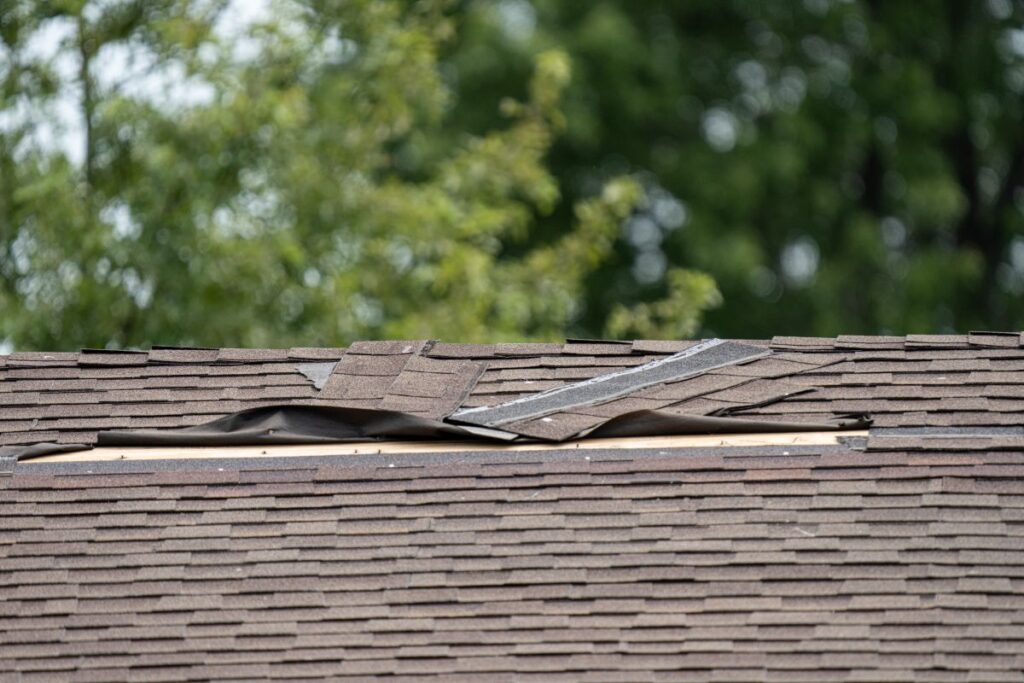
Summer storms in Florida are not just rainy afternoons. They can pack high winds, hail, lightning, and torrential downpours that all present unique threats to your roofing system. Wesley Chapel homeowners need to recognize why a strong roof matters and how even small issues can become significant problems if left unchecked.
Here are key reasons storm damage should be taken seriously:
- Proactive protection prevents bigger problems
Regular roof maintenance and timely repairs help extend the life of your roof and prevent water intrusion that can lead to rot, mold, and interior damage. - Storm damage often goes unnoticed at first
Visible issues like missing shingles are just the surface. Hidden damage such as weakened underlayment or shifted flashing can allow water to get inside your home. - Insurance and claims depend on timely action
Documenting storm impacts and addressing damage quickly helps support homeowners insurance claims and ensures you’re covered for repairs or replacement when applicable. - Your home’s value and curb appeal are tied to roof condition
A roof in poor condition can lower your property value and deter buyers, while a well‑maintained roof adds long‑term confidence for you and future owners.
According to This Old House, nearly 31 percent of homeowners have completed roof renovation, repair, or maintenance projects within a three‑year period, reinforcing how frequently weather exposure forces roof repairs and replacements.
5 Common Causes of Roof Damage After Summer Storms
Storms leave behind a variety of roofing issues ranging from minor cosmetic wear to serious structural concerns. Below are the most common causes of roof damage Wesley Chapel homeowners see after intense summer weather.
1. High Winds
Strong winds are among the top causes of roof damage during summer storms in Florida. Gusts can lift and remove shingles or tiles, weaken seals around roof penetrations, and tear off flashings and vents. These failures expose the roof deck to rain and moisture, leading to more serious problems down the road.
- Wind damage begins at roof edges, ridge caps, and around penetrations
- Watch for lifted shingles, misaligned flashing, and debris buildup
2. Hail and Impact Damage
Hailstones vary in size but even smaller hail can dent shingles, crack tiles, and loosen granules from asphalt roofing. Loss of protective granules reduces the roof’s resistance to UV rays and weathering, accelerating aging and potential leaks.
- Dents or pockmarks in roofing material
- Cracked shingles or tiles
- Granule buildup in gutters or around downspouts
3. Heavy Rain and Water Intrusion
Torrential rain during summer storms can overwhelm a roof’s drainage system. If your gutters are clogged or poorly pitched, water can pool and seep under roofing materials.
- Ceiling stains
- Damp attic insulation
- Mold or musty odors
Water can leak through small entry points and travel along attic framing before becoming visible, making early detection critical.
4. Loose or Damaged Flashing
Flashing is the metal material installed around roof joints such as chimneys, vents, and skylights to keep water out. During high winds and heavy rain, flashing can shift, crack, or separate from roofing materials.
- Separation or warping around chimneys
- Water stains beneath vent pipes
- Pooling near dormers or valleys
5. Debris and Falling Tree Limbs
Summer storms often bring down branches or other debris that land on roofs. While some impacts are clearly visible, others create minor damage that worsens over time.
- Look for fallen limbs in valleys and gutters
- Check for cracked or displaced shingles near roof edges
- Remove debris immediately to avoid drainage issues
Hidden Issues That Can Worsen After a Storm
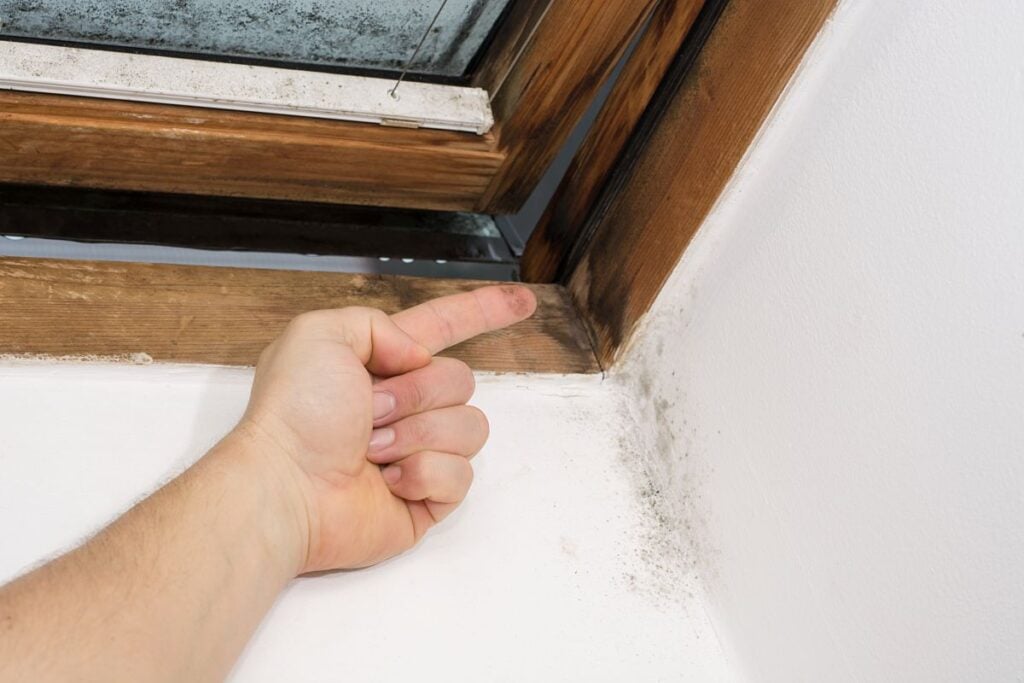
Not all storm damage is immediately visible from the ground. Some problems only show themselves over time or under certain conditions. Understanding these hidden issues helps you plan effective repairs.
Wind‑Lifted Shingles
Wind can lift shingles without removing them entirely. This partial lift allows water to slip underneath, degrading the underlayment and decking even without obvious missing pieces.
Granule Loss
Asphalt shingles lose protective granules when struck by hail or blown by wind. Granule loss accelerates aging and reduces waterproofing, leading to premature shingle failure.
Soft Spots and Rot
Water that infiltrates beneath roofing materials can sit for weeks before showing any signs inside your home. Over time, this moisture causes wood rot, which weakens the roof deck and affects structural integrity.
Attic Insulation Damage
Moisture in the attic can damage insulation, reducing its effectiveness and increasing energy bills while also contributing to mold growth, which is costly and unhealthy.
What to Do After the Storm Passes
Storms are sudden and stressful, but your response can make a big difference in how much damage your home ultimately sustains. Below is a step‑by‑step approach for what to do after severe summer weather.
Safety First
Never climb onto a roof or attempt a close‑up inspection while there is still risk from slippery surfaces, loose materials, or standing water. Instead, start with a ground‑level visual check using binoculars if you have them.
Conduct an Initial Assessment
Look for obvious signs of storm damage including:
- Missing or torn shingles
- Damaged gutters or downspouts
- Debris on the roof or around the yard
- Water pooling on flat roof areas
Check ceilings inside your home for discoloration or sagging, which may reveal underlying leaks.
Document Everything
Take clear photos and videos of any visible damage. Insurance companies often require documentation, and multiple angles help support your claim. Record when the storm hit and the approximate time you first noticed issues.
Contact Your Insurance Provider
Report the storm damage to your homeowner’s insurance company as soon as possible. Ask about deadlines for filing claims and what kind of documentation they need. Many policies cover storm damage repairs, though coverage details vary.
Schedule a Professional Inspection
Roofing professionals can spot issues that untrained eyes often miss. They also provide detailed reports that strengthen insurance claims and help prioritize necessary repairs.
Long‑Term Roof Care to Stay Storm‑Ready
Once initial repairs are underway, consider these long‑term steps to protect your home and maximize roof performance.
- Regular inspections
Schedule seasonal or annual inspections, especially before and after storm season. - Maintenance of drainage systems
Keep gutters and downspouts clear of debris for optimal water flow. - Trim overhanging branches
Tree limbs that touch or hover over the roof can cause serious storm damage. - Consider impact‑resistant materials
If replacing your roof, ask about materials rated for high wind and hail resistance. - Upgrade attic ventilation
Balanced attic ventilation helps prevent heat and moisture buildup under your roof.
Compare Types of Storm Damage and Repair Solutions

| Storm Damage Type | Common Problem | Repair Approach | Urgency |
| Wind Damage | Lifted shingles | Shingle replacement | High |
| Hail Impact | Dents, cracks, granule loss | Partial reroof or patching | Medium |
| Flashing Failure | Leaks around roof penetrations | Flashing reseal or replacement | High |
| Water Intrusion | Leaks, rot | Leak repair and deck replacement | High |
| Debris Impact | Structural puncture | Targeted repairs and reinforcement | Variable |
Take Action to Protect Your Roof and Home
Understanding Wesley Chapel roof damage after summer storms empowers you to act before small issues become big repairs. Knowing what to look for, when to call a pro, and how to protect your investment makes all the difference. Fast action keeps your home safe, dry, and efficient.
If you’re unsure whether your roof suffered damage, or you’re ready for a full inspection after the latest storm, don’t wait. Please contact us today at Greentek Roofing & Solar for trusted help from experienced local roofing professionals.

Step Into
The Future of Roofing
